
Water is life, and ensuring its purity is paramount. Rainwater harvesting systems, while beneficial, require meticulous treatment to make the stored water safe, especially for drinking.
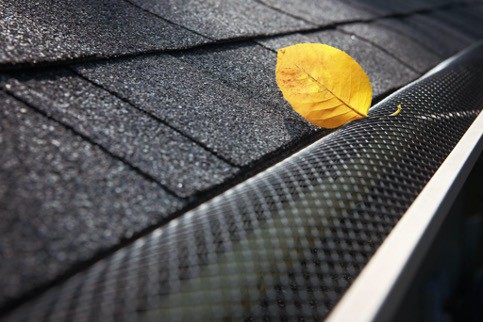
Various ways of treatment have been tried and tested for efficacy to ensure our continued health. From the start, even before rainwater reaches the tank, there is what is called prestorage filtration.
This process involves the removal and prevention of large particles and debris from entering the tanks. They include gutter guards and leaf guards placed over the gutters and inlets leading to the tanks.
Screen filters are also used at the entrance/inlet of the tank as the filters are easy to clean without interrupting the supply of water. And best of all, they help keep pests and vermins out of the tank.
Once the rainwater has been collected in the tanks, the aim is to destroy microbes and other particles that can be harmful for humans drinking rain water. To prevent sickness caused from bacteria such as E. Coli, installing some sort of disinfection method prior to rainwater entering your home is advisable.
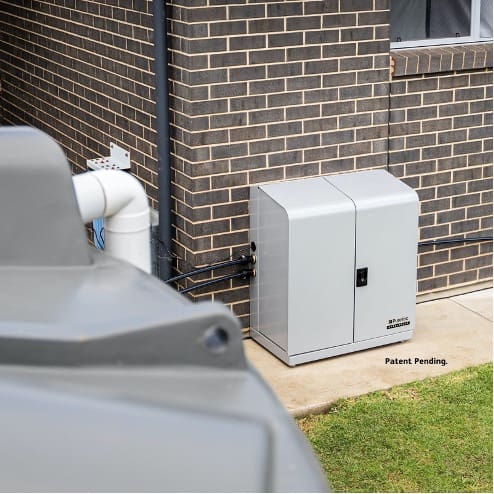
Used in conjunction with other treatments (see below) involves the use of cartridges to filter the water from and remove microorganisms, sediment, metals, and other organic matter. A 20-30 micron filter cartridge is usually recommended. Any larger sized filters will allow small microorganisms (bacteria) to pass through, so a disinfection method is usually recommended. Checking and changing these filters regularly helps to maintain their effectiveness.
Ideal for the storage of large amounts of water for a longer period. Chlorine is used in either dry, liquid, or gas to kill bacteria and viruses effectively. But using chlorine can be dangerous, so it’s important to follow manufacturer’s guidelines and only use chlorine that is approved for treating drinking water. Seek advice from professionals.
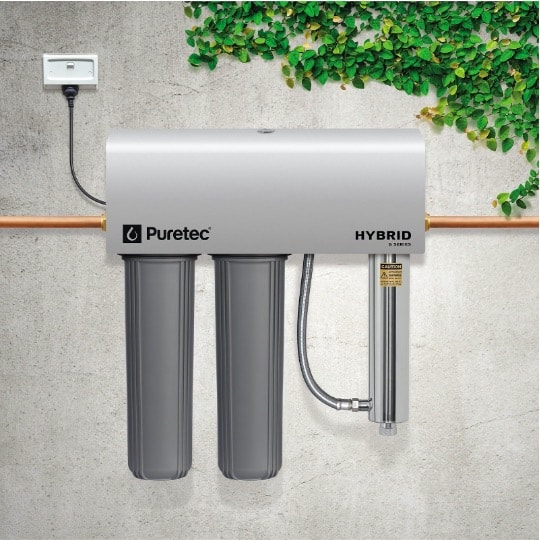
ideal method for disinfecting rainwater when smaller amounts of water are required for a shorter time period.
The water has to be kept clear so that the UV lights can kill harmful bacteria,viruses and microorganisms; sediments floating in the water can stop the UV light’s action. This method allows up to 99.9% of water disinfection without the use of chemicals.
Disinfection occurs by introducing ozone gas in the water through bubbling (like in aquariums). It oxidises large particles in the water into harmless components which get removed via the normal filtration process in the tank.
Ozone has been used for decades in water bottling facilities. It removes bacteria, viruses and other contaminants efficiently and effectively from rainwater tanks without leaving any residue. Only downside: it is not the cheapest option when it comes to rainwater sanitation.
Beyond Reticulation can advise on the proper system that will suit you and your family. We make it a stress-free process. You can trust Beyond to get the job done with professionalism and to the highest standards in the industry.
Beyond can also plan and design the right reticulation system connected to your rainwater harvesting system. We use the best products in the field to give you peace of mind.
Receive our Latest News, Promos & Specials
Phone: 0411 384 186
7am – 5pm/ Monday to Friday
8am – 2pm/ Saturday
Address: 18/8 Hasler Road, Osborne Park, WA 6017
PO Box 7169, KARAWARA WA




© All Rights Reserved.
Made with ❤ by Maution Agency