
Rainwater Harvesting Tank

In an era of increasing water scarcity, Rainwater Harvesting Tank have emerged as an ecological savior. Designed to perfection, these tanks collect, store, and conserve rainwater for various household and commercial uses.

Well, there are four main types of tanks made from various materials that have been tested, proven and approved for Rainwater Harvesting, mainly:

  • Polyethylene tanks – Certified to AS/NZS4766 (Australian Standard – Polyethylene Storage Tanks for Water)
  • Concrete tanks – made of concrete and placed on a base as per guidelines. Certified to AS/NZS3735 (Australian Standard – Concrete Structures Retaining Liquids).
  • Bladder tanks – movable, inflatable tanks that can fit in many non-usable spaces like under the house/building. Material Certified to AS/NZS4020 (Australian Standard – Testing of products for use in contact with drinking water) with seams tested in accordance with AS/NZS2001.
  • Steel tanks – designed by a qualified engineer with materials certified to Australian standards certified to AS/NZS2180


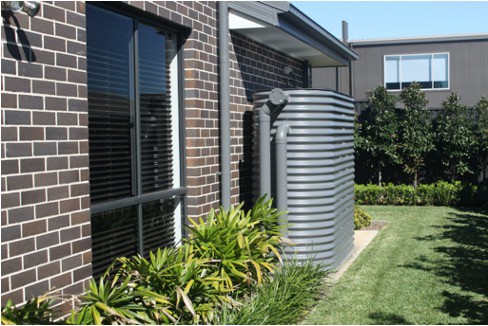
These tanks come in various shapes and sizes. The most commonly used ones are made from either BlueScope Steel Zincalume, Colorbond steel or Aquaplate® food-grade polymer-coated steel specifically designed and tested for water tanks. They can also be custom made to suit your needs, space or location.
Well, there are four main types of tanks made from various materials that have been tested, proven and approved for Rainwater Harvesting, mainly:

  • Polyethylene tanks – Certified to AS/NZS4766 (Australian Standard – Polyethylene Storage Tanks for Water)
 
  • Concrete tanks – made of concrete and placed on a base as per guidelines. Certified to AS/NZS3735 (Australian Standard – Concrete Structures Retaining Liquids).
 
  • Bladder tanks – movable, inflatable tanks that can fit in many non-usable spaces like under the house/building. Material Certified to AS/NZS4020 (Australian Standard – Testing of products for use in contact with drinking water) with seams tested in accordance with AS/NZS2001.
  • Steel tanks – designed by a qualified engineer with materials certified to Australian standards certified to AS/NZS2180


These tanks come in various shapes and sizes. The most commonly used ones are made from either BlueScope Steel Zincalume, Colorbond steel or Aquaplate® food-grade polymer-coated steel specifically designed and tested for water tanks. They can also be custom made to suit your needs, space or location.

Dive into the Different Types of Rainwater Harvesting Tank

rainwater tank pump

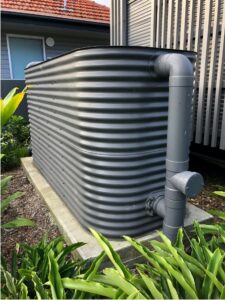
Slimline water tanks

Perfect for those wanting a tank that looks both appealing and takes little space. Range of sizes for you to choose from and varying water storage capacity
rainwater tank installation

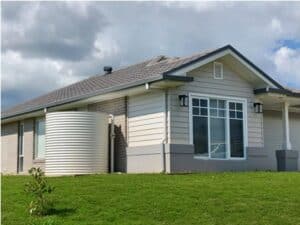
Round water tanks

robust, traditional tanks that are favourite roof-top contenders but can fit any other space on the ground. A popular design with large storage capacity.
rainwater tank plumbing diagram

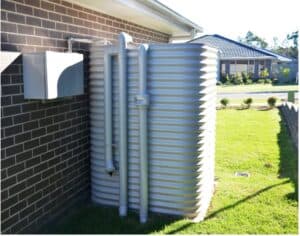
Square water tanks

Smaller footprint than the other Slimline or Modline tanks. It will fit in tight spaces and have big water storage capacity. Optimise water in tight spaces.
slimline rainwater tanks

Modline water tanks

Made for tight spaces, these flat-top tanks still keep the sleek look and appealing characteristics of its buddy the Slimline tank while having a smaller footprint.
rainwater tank pump

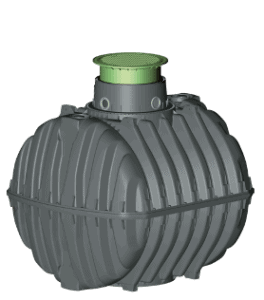
Underground water tanks

Like the namesake, they are tanks that go underground out of sight for eg under the driveway or dug into the backyard. Great when you don’t have the space but still want to be water efficient or you want your tank tucked away out of sight. Cheaper than concrete tanks, these are made of polyethylene: light, extra durable and easy to install.
rainwater tanks perth

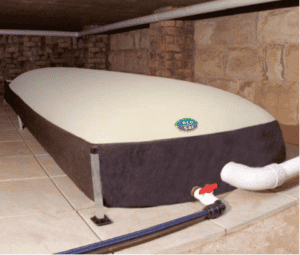
Bladder water tanks

Also known as eco-sac is an innovative, flexible water tanks that can be moved and packed away. 

They are typically made from high resistance polyester PVC (Polyvinyl Chloride) or TPU (Thermoplastic Polyurethane)- puncture resistant, high strength material. If space is an issue, then this type of tank may be a better choice for you. It can be placed under houses, decks or buildings.

Correctly installed rainwater tanks will develop a natural treatment train that helps in the cleaning process of the rainwater caught from rooftops catchment areas. This treatment train is the main reason why Australians benefit from rainwater harvesting and users remain healthy and safe.


Contact Beyond Reticulation for more information about your Rainwater Harvesting tank installation and ideas. Beyond Reticulation will answer any questions related to your rainwater harvesting system needs. We have licensed plumbers and technicians that will help you become water efficient and reduce your environmental footprint.


For more information, check out the links below:


Kingspan water tank

Aussie water savers

Graf Australia

FAQ About Rainwater Harvesting Tank 

A rainwater tank is a storage tank used to collect and hold rainwater from your roof or other catchment areas. The stored water can then be used for gardens, reticulation, outdoor taps, toilets, laundry, cleaning and other household uses depending on the system design, filtration and plumbing setup.

Common rainwater tank options include polyethylene tanks, concrete tanks, steel tanks and bladder tanks. Rainwater tanks also come in different shapes and styles, including slimline tanks, round tanks, square tanks, modline tanks, underground tanks and flexible bladder tanks. The best option depends on your space, budget, storage needs and how you plan to use the water.

Slimline, square and modline tanks are often good options for small spaces because they can fit along walls, narrow side access areas or tight outdoor zones. Bladder tanks can also be useful where space is limited because they can sometimes be installed under decks, houses or other unused areas.

Yes. Underground rainwater tanks can be a good option when you want to save space or keep the tank hidden from view. They may be suitable under driveways, garden areas or open spaces where above-ground tanks are not practical. They usually require more planning and excavation than above-ground tanks, but they can be a neat solution for properties with limited visible space.

A bladder rainwater tank is a flexible water storage system that can fit into spaces where a standard tank may not work, such as under a house, deck or building. Bladder tanks are useful when outdoor space is limited or when you want a more hidden rainwater storage option.

The right tank size depends on your roof catchment area, available space, rainfall, water use, budget and whether you want to use rainwater for garden irrigation, household use or both. A smaller tank may be enough for garden watering, while a larger system may be better if you want to connect rainwater to toilets, laundry, reticulation or other regular household uses.

Rainwater tanks should be checked regularly to keep the system working properly. Maintenance may include cleaning gutters and leaf guards, checking tank inlets and strainers, cleaning first flush diverters, inspecting pumps and filters, and arranging tank de-sludging when needed. The broader Rainwater Harvesting page recommends de-sludging every 3–5 years and servicing or replacing the pump around every 10 years. 

Find the Right Rainwater Tank for Your Property

Store rainwater more efficiently with a tank system designed around your water needs